
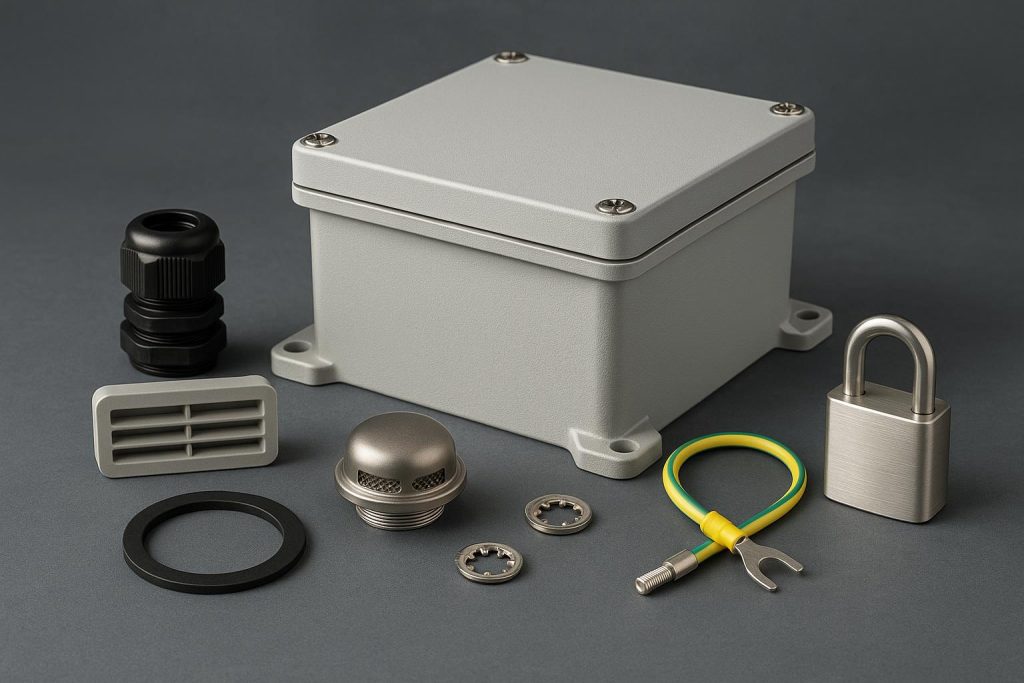
Key Takeaways
The importance of NEMA 6P and IP68 ratings cannot be overstated for submersible enclosures. These ratings indicate robust protection against both water exposure and dust infiltration, which plays a crucial role in preventing costly equipment failures.
While NEMA 6P emphasizes mechanical integrity, IP68 is all about ingress protection. Therefore, combining both ratings is essential for optimal submersible enclosure performance.
Selecting appropriate gaskets and seals, made from materials like silicone or neoprene, is critical. They must be suited to the environmental conditions they will face to avoid premature equipment failure.
A lack of proper ventilation in submersible enclosures may lead to condensation issues, ultimately causing electronic failures. Thus, vents designed to control humidity are key to safeguarding the equipment.
Nickel-plated stainless steel and aluminum are commonly chosen materials for submersible accessories due to their corrosion resistance. Additionally, treatments like powder coating can further enhance their lifespan.
Latest innovations in smart monitoring systems for submersible enclosures allow for real-time data collection. This capability enables proactive measures in response to equipment conditions, thereby enhancing operational efficiency.
Emerging trends in enclosure accessories include the use of biodegradable materials, which promote sustainability, alongside improved IoT capabilities that offer real-time performance data. Businesses must adapt quickly to these advancements.
Why NEMA 6P and IP68 Ratings Matter for Submersible Enclosures
Understanding Protection Levels Against Water and Debris
NEMA 6P and IP68 ratings are designed to protect delicate equipment. These standards help ensure that submersible enclosures remain intact even in the harshest environments. But what do these ratings truly signify? NEMA 6P means that an enclosure can endure extreme water exposure, suitable for temporary immersion without sustaining damage. In contrast, IP68 denotes total dust tightness and the ability to withstand immersion beyond one meter. However, the real implications of these ratings often go unnoticed.
In practical terms, grasping these ratings can save businesses substantial amounts of money and reduce downtime. Insufficient ratings can lead to failures, especially in high-humidity or moisture-prone areas. Misunderstanding these specifications often leads to improper choices, resulting in catastrophic equipment losses during critical operations.
Key Features That Set NEMA 6P and IP68 Apart
What truly differentiates NEMA 6P from other options? To clarify, it’s best to examine their applications closely. NEMA classifications prioritize mechanical integrity, while IP ratings focus predominantly on ingress protection. Enclosures with NEMA 6P features are often made of tough materials that can withstand ice and other debris, whereas IP68 focuses primarily on immersion capabilities.
Thinking about practicality, using enclosures that meet both ratings ensures a stronger layer of defense. Consider this: even when an enclosure can reach significant depths, the wrong materials or seals usually mean guaranteed longevity issues. Here’s a succinct list of key features to look for:
- Smooth construction to help minimize leakage risks
- Heavy-duty materials that resist extreme temperature fluctuations
- Durability against corrosive elements like salts and chemicals
Essential Accessories for Ultimate Watertight Security
Choosing the Right Gaskets and Seals for Your Enclosure
Selecting the ideal gaskets and seals for a submersible enclosure might seem daunting. Yet, some choices should be clear. Professionals often highlight materials like silicone, neoprene, and rubber as top contenders for sealing applications. Each material has its own set of advantages, providing varying levels of protection and durability.
For example, silicone gaskets are renowned for their temperature resistance and lengthy shelf life, whereas neoprene is capable of withstanding petroleum-based substances without degrading. Given the complexities, it’s vital to match seals with their respective environments to prevent premature equipment issues. Here’s what to keep in mind:
- Temperature range: Ensure materials can handle the expected environmental shifts.
- Flexibility: Select seals that can adjust to varying enclosure shapes.
- Compression set: Opt for materials that exhibit minimal permanent deformation.
Must-Have Ventilation Solutions for Condensation Prevention
Insufficient ventilation in submersible enclosures can result in serious condensation problems that ultimately lead to electronic failures. Many have experienced this costly mistake. If installed improperly, condensation can swiftly transform an ideal environment for electronics into a soggy mess.
A solid solution involves utilizing ventilation options designed for harsh environments. Implementing humidity-controlling vents can optimize airflow while keeping moisture at bay. Furthermore, pressure relief valves can help relieve internal pressure fluctuations without letting in water.
Professionals recommend considering these ventilation options:
- Passive vents that minimize disruption
- Fans that work alongside temperature regulation systems
- Condensation-resistant filters that extend lifespan
Corrosion Resistance: Protecting Your Investment
Top Materials for Resilient Submersible Accessories
When discussing corrosion resistance, businesses must make informed choices. Stainless steel and aluminum are often favored for their resilience against rust and decay during active submersion. However, the choice of material is just the beginning; treatment processes also play a significant role. Coatings like powder coating can markedly improve resistance to corrosive substances.
Here’s a brief overview of materials worth considering:
- Stainless Steel: Excellent corrosion resistance, though it may pit in saltwater if not properly treated.
- Aluminum: Lightweight and strong, frequently treated for enhanced durability in aquatic settings.
- Plastic Composites: Cost-efficient but may lack metal’s ruggedness. Suitable for less demanding applications.
Case Studies: Real-Life Benefits of Anti-Corrosion Solutions
Take, for instance, a recent case in the oil and gas sector. A subsea project that involved deploying equipment was facing tight deadlines due to corrosion worries. By opting for anti-corrosion coatings, they extended the lifespan of equipment expected to perform under dire conditions. The outcome? A longer operational life paired with reduced maintenance expenses, proving to be advantageous for all involved.
This success story didn’t merely save costs; it helped position the company as a forward-thinking industry leader willing to embrace innovation for safety and efficiency. Avoiding downtime due to corrosion emphasized the significance of selecting appropriate materials from the start.
Innovative Add-Ons That Enhance Functionality and Safety
Smart Monitoring and Alarm Systems for Submersible Enclosures
With technology advancing rapidly, the integration of smart monitoring systems has become essential for many organizations. Real-time data collection offers improved visibility into the conditions within enclosures. These systems can keep track of pressure, humidity, and other crucial parameters, alerting professionals before failures take place. That’s right—being proactive rather than reactive can make a significant difference. Who wouldn’t want such an edge?
By equipping assets with integrated alarm systems, businesses can ensure timely responses to changing conditions, maintaining the integrity of their equipment. Regularly updated interfaces keep professionals apprised of enclosure statuses—everything from temperature increases to pressure decreases. The benefits, both in safety and operational efficiency, are substantial. Consider these features when choosing a system:
- Real-time monitoring capabilities
- Integration with existing systems for data analytics
- User-friendly interfaces for efficient operation
Trends in Accessories: What’s New for 2024
The accessory market isn’t solely focused on durability and protection. Emerging materials and smart technologies are continually transforming enclosure design. The latest buzz includes biodegradable options for seals and gaskets, which are gaining popularity as companies pursue sustainable practices. These new alternatives offer viable solutions without compromising performance.
At the same time, the rise of wireless technology and IoT capabilities means that real-time performance data is more accessible than ever. Do businesses have a strategy to adapt? Those who act swiftly are likely to maintain a competitive edge.
Organizations should keep an eye on these material trends:
- Eco-friendly materials for a diminished ecological impact
- Advanced monitoring systems featuring predictive analytics
- Modular designs that facilitate easy upgrades
As the marketplace continues to evolve, strategies for submersible enclosure accessories must evolve, too. Making a commitment to protection, innovation, and sustainability is essential to ensure that businesses remain ahead of the curve.
FAQ
What are the main factors to consider when selecting submersible enclosures?
Professionals suggest considering environmental factors, the specific application of the equipment, and the properties of the materials. Evaluating potential exposure to chemicals, temperature variations, and moisture levels is essential for making informed decisions.
How can companies test the effectiveness of their submersible enclosures?
Testing can be performed under simulated or real-world conditions. Many experts recommend using standardized methods, such as pressure testing for leaks and conducting submersion tests to ensure compliance with NEMA and IP ratings.
Are there maintenance tips to ensure longevity for submersible enclosures?
Regular inspections are critical. Monitoring seals and gaskets for wear and tear, cleaning out any debris, and checking ventilation systems are fundamental tasks for maintaining functionality and preventing early failures. Keeping a consistent maintenance schedule can be advantageous.
What are the latest innovations in smart monitoring systems?
Recent advancements now include predictive maintenance features utilizing machine learning. These innovations provide early alerts for potential problems, enabling users to respond ahead of failures—greatly improving operational efficiency.
How can businesses ensure proper installation of submersible enclosure accessories?
Utilizing professional installation services is strongly recommended. Experts can offer valuable insights and best practices during installation, helping to sidestep common mistakes that might compromise protective measures.
What role does temperature control play in submersible enclosures?
Maintaining temperature control is vital for preventing condensation and overheating, both of which can harm sensitive components. Implementing thermal management solutions, such as temperature regulation systems, helps maintain the desired enclosure environment.
Can biodegradable materials really match the performance of traditional options in submersible applications?
Emerging biodegradable materials show promise in delivering performance while minimizing environmental impacts. Although they may not yet outperform conventional materials in every aspect, ongoing research indicates that they may meet industry standards when designed and tested adequately.
What are the implications of using smart IoT technology in submersible enclosures?
Embracing IoT technology enables advanced data analysis and remote monitoring capabilities. This integration significantly enhances decision-making processes, allowing businesses to anticipate issues and allocate resources more effectively while boosting overall safety.


Laila Azzahra is a professional writer and blogger that loves to write about technology, business, entertainment, science, and health.