
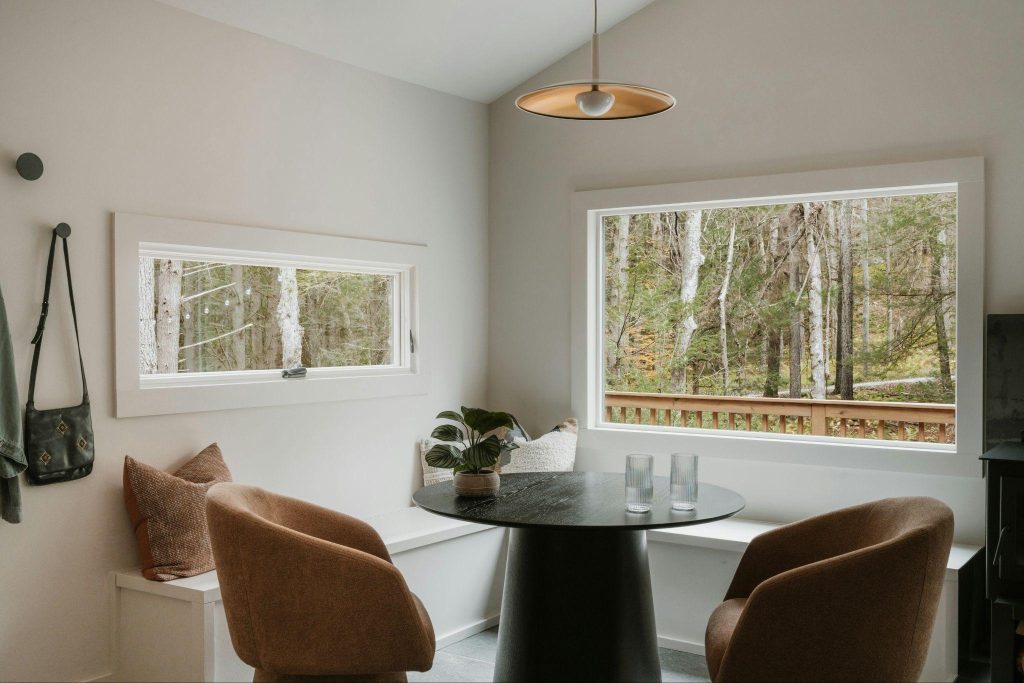
Most of us sense it instinctively. We walk into certain homes and immediately feel calmer, more energized, or more ourselves. Other spaces leave us restless or vaguely unsettled, even if we can’t quite explain why. A well-designed home does more than look good in photographs; it supports our emotional lives in subtle, enduring ways. It shapes how we wake up in the morning, how we unwind at night, and how we relate to the people we live with. Over time, those daily interactions with our surroundings influence our mood, our habits, and even our sense of identity.
Design, at its best, is deeply human. It responds not only to function and aesthetics but to how we move through the world emotionally. When a home is thoughtfully designed, it becomes a kind of emotional infrastructure, holding us through moments of stress, celebration, solitude, and connection.
The Psychology of Space and Belonging
A well-designed home fosters a sense of belonging. This is not about perfection or polish but about resonance. Spaces that reflect who we are and how we live make us feel grounded. They signal safety and familiarity, allowing our nervous systems to relax. When proportions feel right, when circulation flows naturally, and when rooms are arranged to support daily routines, the home becomes intuitive and relaxing.
Belonging is also tied to legibility. In emotionally supportive spaces, we understand how to use them without thinking. We know where to sit, where to gather, where to retreat. This clarity reduces friction and decision fatigue, two subtle stressors that accumulate over time. A home that makes sense emotionally frees up mental energy for creativity, connection, and rest.
Light as an Emotional Regulator
Natural light is one of the most powerful emotional tools in design. It regulates our circadian rhythms, affects our energy levels, and shapes our perception of space. A well-designed home maximizes light without overwhelming it, allowing rooms to feel alive throughout the day.
Morning light can energize a kitchen or bedroom, setting a positive tone for the hours ahead. Softer afternoon light creates warmth and comfort, while carefully planned evening lighting signals the body to slow down. These transitions matter. They align our internal rhythms with the world outside, fostering a sense of balance that is easy to overlook until it’s missing.
Artificial lighting, when layered thoughtfully, extends this emotional support. Ambient light creates a sense of safety, task lighting provides focus, and accent lighting adds intimacy. Together, they allow us to adapt our environments to our emotional needs rather than forcing ourselves to adapt to the space.

Materials That Ground and Comfort
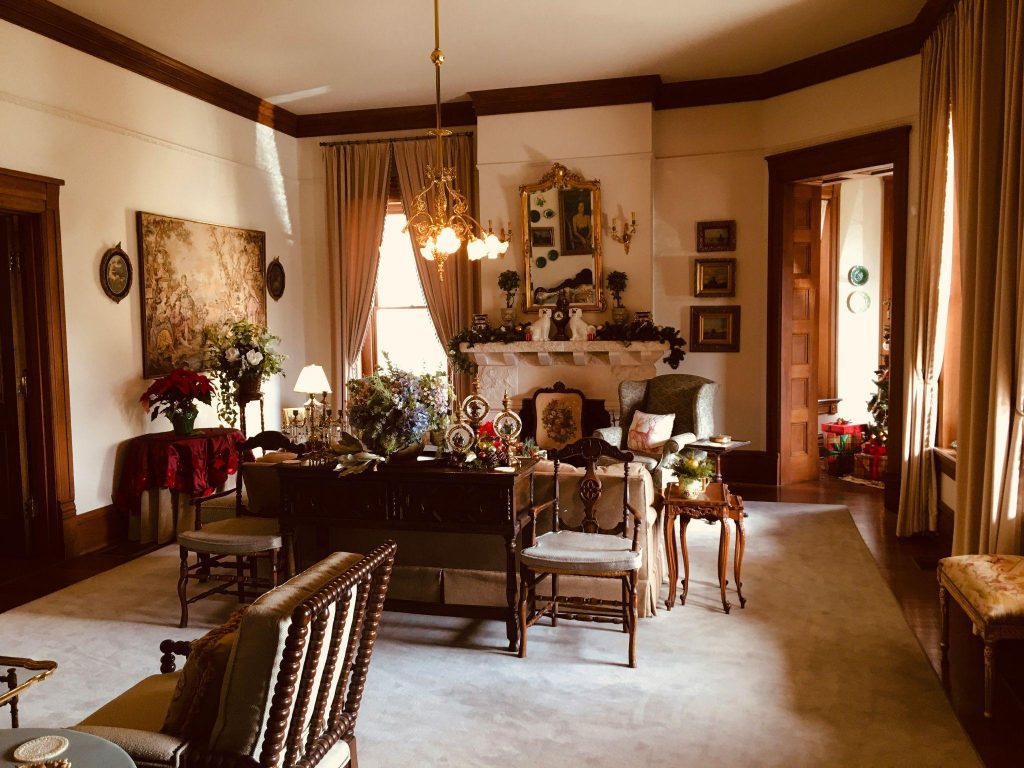
The materials we live with affect us on a tactile level. Natural materials tend to feel grounding because they connect us to something older and more stable than trends. Wood, stone, clay, and linen carry variation and imperfection, reminding us that beauty does not have to be flawless to be meaningful.
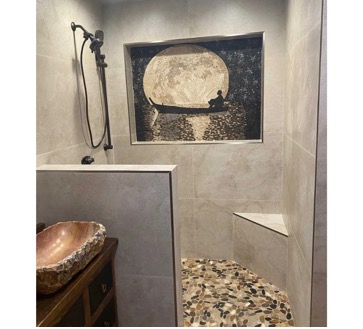
A stone floor that cools bare feet in summer, a wooden table marked by years of use, or a bathroom finished with mosaic tiles that catch the light differently throughout the day all contribute to a sense of sensory richness. These materials engage touch as much as sight, creating an embodied experience of home.
When materials are chosen thoughtfully, they age alongside us. This sense of continuity fosters emotional security. Rather than feeling pressured to constantly update or replace, we begin to appreciate how our homes evolve over time, deepening our attachment to them.
Color and Emotional Memory
Color is one of the most emotionally charged elements of design. It shapes mood instantly, yet its long-term impact is more subtle. In well-designed homes, color is often used with restraint and intention. Instead of dominating a space, it supports it, appearing in layers, undertones, and moments of emphasis.
Certain colors evoke calm, others warmth or focus. But beyond general psychology, color also carries personal memory. A particular shade may remind us of a place we love or a moment in our past. When these associations are woven into a home’s palette, the space becomes emotionally resonant in a deeply personal way.
A well-designed home understands this emotional dimension of color. It allows rooms to feel distinct while remaining connected, supporting different moods without creating visual chaos. Over time, this coherence becomes comforting, reinforcing a sense of emotional stability.
Flow, Movement, and Emotional Ease
Spatial flow has a direct impact on how we feel in our homes. When movement from one room to another feels natural, we experience less friction in daily life. This ease supports emotional wellbeing, particularly in busy households where small inefficiencies can quickly become sources of stress.
A well-designed layout anticipates how people move, gather, and separate throughout the day. It provides openness where connection is desired and enclosure where privacy is needed. This balance is essential for emotional health, especially for families or those working from home.
Flow is not only physical but visual. Sightlines that extend through spaces create a sense of openness and possibility, even in smaller homes. When we can see light, greenery, or meaningful objects from multiple vantage points, we feel more connected to our surroundings.

The Bathroom as a Private Sanctuary
Few spaces reveal the emotional power of design as clearly as the bathroom. Often overlooked, this room plays a crucial role in how we begin and end each day. A well-designed bathroom supports rituals of care and restoration, turning routine into something more intentional.
Details matter here. The sound of water, the quality of light, the feel of surfaces underfoot all contribute to the emotional experience. A mosaic shower wall, for instance, can transform a purely functional element into a moment of beauty, offering texture and visual interest that few other materials can replace.
When bathrooms are designed with the same care as living areas, they become serene retreats. This attention signals that everyday acts of care are worthy of beauty, reinforcing a sense of self-respect and emotional wellbeing.
Personal Objects and Emotional Anchors
A well-designed home leaves room for personal objects. These items act as emotional anchors, grounding us in memory and identity. Photographs, artwork, books, and collected pieces tell the story of who we are and where we have been.
In emotionally supportive interiors, these objects are not cluttered or hidden away. They are integrated thoughtfully, given space to breathe. This intentional display allows us to engage with our memories daily, reinforcing continuity and meaning.
The act of choosing what to live with is itself emotionally significant. It requires reflection and care, encouraging us to prioritize what truly matters. Over time, this curation strengthens our relationship with our homes, making them feel uniquely ours.
Design and Emotional Resilience
A well-designed home can support emotional resilience during difficult times. When life feels chaotic, a calm and familiar environment offers stability. Spaces that are visually coherent and sensorially soothing help regulate stress responses, allowing us to recover more quickly from emotional strain.
This does not mean that homes must be neutral or minimal. Rather, they should feel intentional and supportive. Even richly layered interiors can offer comfort when they are balanced and thoughtfully composed.
During periods of change or uncertainty, our homes often become our primary refuge. Investing in design that prioritizes emotional wellbeing is, in this sense, an investment in resilience.
Design as an Act of Care
At its core, good design is an act of care. It considers not only how a space looks, but how it feels to live in day after day. It acknowledges that our environments shape us, often in ways we barely notice.
A well-designed home does not demand attention. Instead, it supports us quietly, offering comfort, clarity, and moments of beauty woven into everyday life. Its emotional impact accumulates gradually, becoming inseparable from our sense of wellbeing.
In this way, living in a well-designed home is not a luxury but a form of self-care. It is a commitment to living thoughtfully, with awareness of how space, light, and material influence our inner lives. Over time, this commitment pays emotional dividends, creating homes that do not just shelter us, but truly hold us.


Laila Azzahra is a professional writer and blogger that loves to write about technology, business, entertainment, science, and health.