

Winter has a funny way of changing the rules. Suddenly, open sandals feel a little too optimistic, socks become non-negotiable, and the shoe rack starts demanding a seasonal edit. But switching to winter shoes does not mean abandoning comfort for bulky, heavy footwear.
The smarter approach to winter footwear is to choose styles based on temperature, coverage and where the day is taking you. Here is a practical guide to making the switch.
1. Start With Coverage, Not Calendar Dates
There is no universal day when sandals officially retire. Instead, pay attention to how your feet feel.
As temperatures dip, closed-toe footwear naturally becomes more appealing. Loafers, sneakers, clogs and ankle boots can offer more coverage without making every outfit feel like it belongs in the Arctic.
For winter footwear for women, the transition can be particularly easy with closed-toe styles that retain the relaxed feel of everyday shoes. Think less “deep winter expedition” and more “my toes would like some privacy, thanks”.
2. Give Your Clogs Their Moment

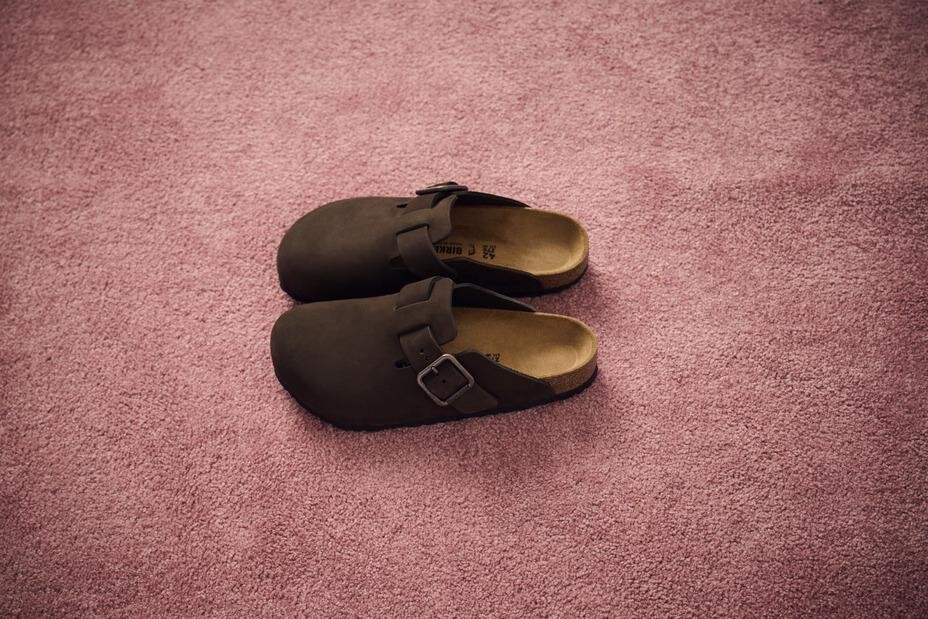
If there is one footwear category that knows how to bridge seasons, it is the clog.
A pair such as the Birkenstock’s Boston can work beautifully during the early winter months, offering closed-toe coverage while retaining a recognisable slip-on shape. It is an easy choice for coffee runs, casual plans and days when putting together an elaborate outfit feels like unnecessary administration.
For men’s winter footwear, a clog offers an easy transition between breezy sandals and more covered winter shoes.
3. Keep Your Everyday Rotation Flexible
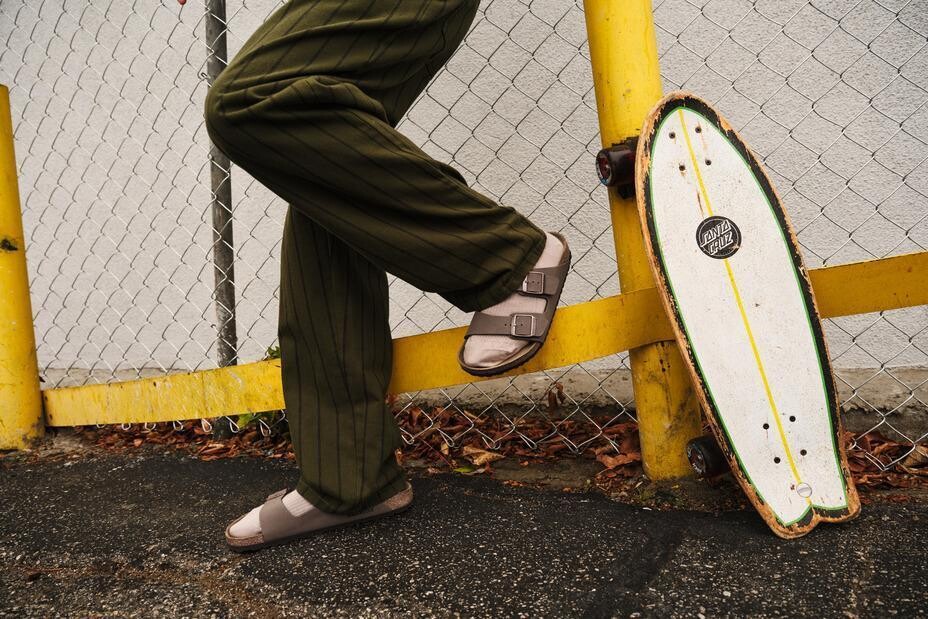
Winter does not automatically mean every shoe needs maximum coverage. Transitional weather calls for options.
A closed-toe sneaker works for busy days, while a clog can suit slower weekends. On milder days, familiar silhouettes such as the Birkenstock’s Arizona or Gizeh can still have a place in the rotation, particularly when temperatures have not dropped dramatically.
The trick is to build winter footwear around actual weather rather than an imaginary snowstorm.
4. Look for Materials That Suit the Season
Winter footwear should be considered from the ground up, quite literally. Materials influence warmth, comfort, flexibility and how easily a shoe fits into everyday routines.
For winter footwear for women, leather, suede, textile and other structured materials can introduce a more seasonal feel. Meanwhile, soft linings and covered silhouettes can make the transition from warmer months more comfortable.
For men’s winter footwear, leather shoes, suede clogs and sturdy sneakers can add useful coverage without turning casual dressing into a full-blown winter uniform.
5. Do Not Underestimate the Sock
The humble sock deserves a promotion.
A warmer pair can instantly make familiar footwear feel more seasonal, while thicker textures can add personality to otherwise simple outfits. Just remember that thicker socks require enough room inside the shoe. A snug summer fit can become decidedly less charming when paired with winter-weight socks.
This is where winter footwear for women can become more playful. Experiment with ribbed socks, subtle colours or contrasting textures to make practical dressing feel intentional.
6. Keep One Pair for Extremely Cold Days
Every wardrobe needs a contingency plan.
Even if most of winter is mild, there will be days when sandals and lightweight shoes simply will not cut it. That is when a well-covered pair becomes invaluable.
For men’s winter footwear, think closed shoes or boots with enough structure for colder conditions. For women, a covered clog or ankle boot can play the same role.
The Final Verdict
The arrival of winter does not call for a complete footwear overhaul. It is about knowing when to trade breezy silhouettes for a little more coverage, when to reach for a clog or closed-toe style, and when a trusty slip-on sandal can stay in rotation for another day.
For winter footwear for women and men alike, the smartest seasonal switch is one that balances comfort, coverage and personal style. After all, the right pair should make winter feel like a change of season, not a change of personality.


Laila Azzahra is a professional writer and blogger that loves to write about technology, business, entertainment, science, and health.