
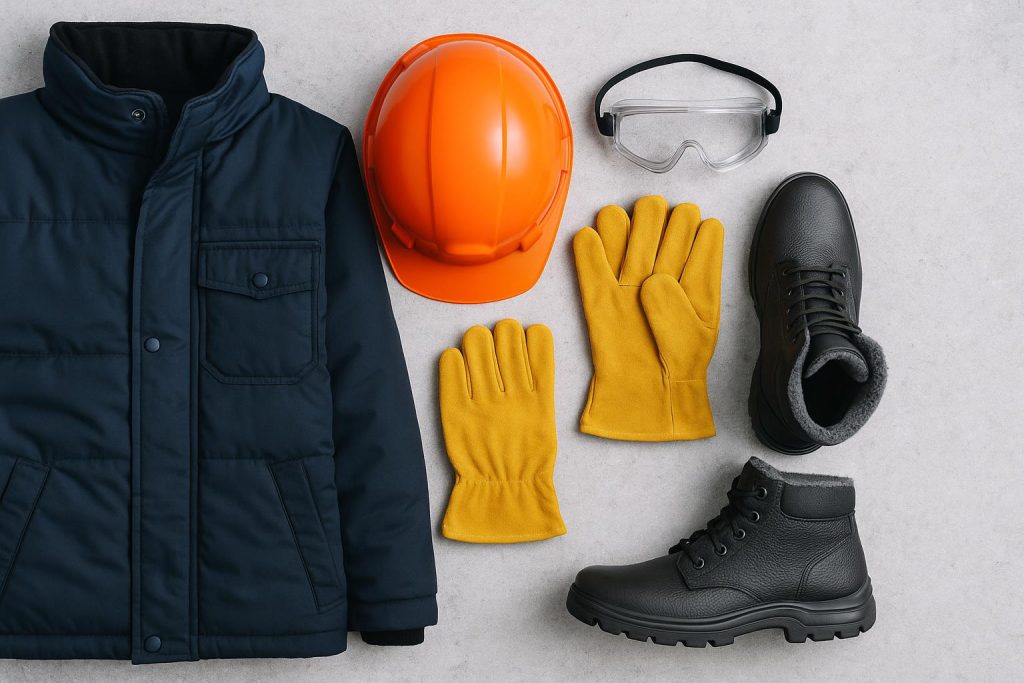
When the temperatures fall and the inclement weather sets in, winter is one of the most challenging seasons for businesses involved in outdoor teams, field technicians, delivery operatives, warehouse crews, and construction staff. The cold environment creates very real risks, from decreased concentration and slower reaction times to increased accident rates and reduced productivity.
Proper winter workwear is no longer an option but rather an investment in employee performance, well-being, and workplace safety. The right gear keeps your team warm, dry, visible, and confident through the harshest months of the year.
This comprehensive guide outlines everything one needs to know when it comes to choosing effective, long-lasting, and safe winter work uniforms.
1. Why Proper Winter Workwear Is Critical
The body naturally works harder in cold weather. When exposed to low temperatures, employees experience:
- Impaired dexterity
- Slower movement
- Increased fatigue
- Weaker concentration
- Increased risk of cold-related illnesses
Cold exposure also increases the possibility of accidents in the workplace, which range from slipping and tripping to even equipment handling-related accidents. Workers improperly bundled may become restricted, uncomfortable, or distracted-all of which lower productivity.
Providing high-quality winter work wear improves:
- Safety
- Comfort
- Confidence
- Job satisfaction
- Productivity levels
- Staff retention
Quite simply: when your team is safeguarded, they will perform at their best.
2. The Science of Layering: Your Team’s First Line of Defence
Successful dressing in winter depends on strategic layering, which allows an employee to self-regulate body temperature and adapt to shifting environmental conditions.
A. Base Layer — Moisture Management
In cold environments, sweat can cool the skin rapidly. A moisture-wicking base layer will keep workers dry and reduce the risk of hypothermia.
Recommended materials:
- Polyester blends
- Moisture-wicking synthetics
- Lightweight thermal fabrics
B. Mid Layer — Insulation
This layer traps the body’s warmth and keeps it warm. It should be breathable yet insulating enough to retain body temperature.
Best choices:
- Fleece jackets
- Soft-shell layers
- Quilted vests
- Thermal sweatshirts
C. Outer Layer — Weather Protection
The last layer protects workers against wind, rain, and snow.
Look for:
- Waterproof fabrics
- Windproof membranes
- Seams taped
- Storm flaps
- Adjustable hoods and cuffs
Mastery of these three layers keeps teams warm without restricting movement.
3. The Importance of Good Quality Winter Jackets
The jacket is the hero of winter workwear. Workers need jackets built to stand up to extreme conditions yet comfortable enough to wear over long shifts.
Quality winter jackets provide:
- Thick insulation, no extra bulk
- Breathable yet wind-resistant construction
- Waterproof to protect against rain and snow
- Durable zippers and secure closures
- Reflective strips for visibility
- Practical tool and device pockets
The proper winter jacket is not only protective but also offers enhanced mobility and efficiency.
4. Choosing a Reliable Winter Workwear Range
A well-designed winter uniform is one that’s constructed to bear freezing temperatures, strong winds, and wet conditions. It’s for this reason that companies that invest in a thermal winter workwear uniform range ensure their teams receive all-season protection with insulated jackets, lined trousers, fleece hoodies, and heat-retaining accessories. Such uniform collections are engineered to sustain warmth while supporting mobility, hence best suited for professionals working outdoors or in cold storage. This ensures that every shift, be it early morning, late night, or mid-storm, remains safe, comfortable, and productive.
5. Winter work trousers, where the application requires durability and warmth.
While jackets take centre stage in winter, work trousers are equally important. Legs are quick to lose warmth in cold temperatures, especially when employees stand or work on cold surfaces.
Some key features in high-quality winter trousers include:
- Insulated linings
- Water-repellent coatings
- Reinforced knee panels
- Stretch fabric for flexibility
- Fully taped seams
- Fleece-lined interiors
Insulated trousers allow workers to retain body heat without hindering mobility and are, therefore, especially ideal at construction sites, during maintenance jobs, and for outdoor logistics.
6. Footwear That Protects Against Winter Hazards
The ground becomes one of the biggest dangers in winter: ice, slush, and wet surfaces increase slip risks dramatically.
Winter-safe footwear should offer:
- Slip-resistant soles
- Thermal insulation
- Waterproof protection
- Shock absorption
- Ankle support
- Steel or composite toe caps (for industrial settings) Warm, dry feet improve comfort and productivity—key attributes for employees who have to walk or lift frequently on the job.
7. Must-Have Cold-Weather Accessories
Extremities easily lose heat even if one is wearing thermally insulated outfits. Thermally accessorizing will help the body retain heat and remain numb-free.
Provide your team with:
- Thermal gloves
- Insulated beanies
- Neck warmers or snoods
- Balaclavas
- Thick thermal socks
- Heated glove or boot inserts (optional for extreme climates)
These small pieces give a major boost to comfort and safety.
8. High Visibility: A Priority in Short Winter Days
Winter’s shorter daylight hours reduce natural visibility. Fog, snow, and overcast skies make the problem worse. It’s crucial that workers can be seen, particularly when working around vehicles or equipment.
Hi-vis winter gear that includes:
- Reflective tape on jackets and trousers
- Fluorescent colors of yellow, orange, or red
- LED-embedded Accessories (optional)
- Hi-vis hoodies and waterproof layers High-visibility winter wear prevents accidents and keeps staff safe across transportation, roadside, and industrial settings.
9. Breathability and Moisture Control Still Matter in Winter
Although warmth is necessary, employees often overheat and start to sweat profusely. Once moisture is trapped, it can quickly grow cold and potentially cause discomfort or illness.
To prevent this, winter workwear should include:
- Ventilated underarm zips
- Breathable membranes
- Moisture-wicking fabrics
- Lightweight insulation layers
Breathable winter workwear can keep workers warm without allowing sweat to build up.
10. Durability in Challenging Situations
Winter workwear needs to be tough enough for repeated wear in harsh conditions.
The strong winter garments are designed with
- Heavy-duty stitching
- Ripstop fabrics
- Reinforced elbows and knees
- Fade-resistant colours
- Anti-pilling fleece
- Multilayer protection
Durable workwear reduces replacement costs and ensures a professional appearance all season long.
11. Comfort = Productivity
The idea of comfort directly positively influencing productivity is magnified in winter. Cold, uncomfortable workers move slower, make more mistakes, and have higher levels of stress.
By contrast, warm and properly equipped employees:
- Concentrate for longer periods of time
- Move more efficiently
- Improve communication
- Retain better morale • Provide consistent performance Comfortable staff are confident, and confident staff produce better results.
12. Branding Opportunities in Winter
Even during winter, your team is a walking advertisement for your brand. Custom-branded winter workwear helps reinforce your company identity.
Options include:
- Embroidered logos
- Screen-printed branding
- Colour-coordinated jackets
- Branded beanies and gloves
- Company-specific reflective logos
Branded winter uniforms promote professionalism and improve customers’ trust.
Final Thoughts: Winterizing Your Workforce
The winter months may be unforgiving, but the right winter workwear can completely revolutionize how your team performs. From thermal insulation to waterproofing, durability, breathability, and high visibility, each of these elements helps contribute to both safety and productivity.
Investing in a sound Winter Uniform Programme demonstrates that you value the wellbeing of your employees. When your teams feel valued, warm, and looked after, confidence naturally grows alongside output.
A warm worker is a safe worker—and a safe worker is a productive one.


Laila Azzahra is a professional writer and blogger that loves to write about technology, business, entertainment, science, and health.