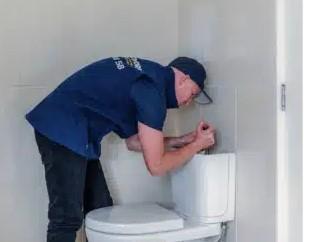
A running toilet is one of the most annoying sounds in your home. In addition to inflating your monthly bill, it also wastes a lot of water. This is especially concerning in a water-scarce country where every wasted drop could have been better used.
While some people act instantly on their leaking toilet issues, others don’t seem to mind it too much. This could be because their toilets are still in the early stages of leaking, and the leak may not be severe. No matter what stage your leaking toilet is at, it’s always recommended that you call the plumber Sydney locals trust for all their plumbing needs.
Understanding Why Toilets Leak
When it comes to understanding your toilet, the first thing you need to know is that not all toilets are the same. That means, they don’t all work the same way. This can make troubleshooting challenging if you’re not experienced in dealing with toilet issues.
While toilets and their internal components differ, the general way that they work is similar. Here’s a quick breakdown of what to expect:
- Flushing the toilet causes a lift chain to pull at the toilet flapper.
- Water then flows from the flush valve into the toilet bowl.
- Sometimes, water escapes from the flush valve, causing clean water to rush (or slowly leak) into the refill tank.
- When this happens, water can also leak into the bowl, which is what you hear as the “running” sound.
If certain components are damaged, then the running will happen non-stop. It’s essential to keep in mind that even the smallest trickle of water can eventually cause the bowl to fill up if there’s an existing blockage. This can lead to an overflowing toilet, higher water bills, and, of course, an increase in wasted water.
Avoid the Hassles of a Running Toilet
If you’re looking for ways to save water in your home or reduce the overall cost of your monthly water bill, then one of the best places to start is with that leaking toilet you’ve been ignoring for the last few months. With that in mind, our team of toilet plumbers have compiled a list of the top reasons why your toilet may be leaking.
The top reason why most toilets start leaking stems from a damaged or worn flapper. For the unversed, the toilet flapper is the component that functions as a seal in the toilet tank. This little device is designed as a type of gatekeeper to let water in and out of the toilet.
In a functioning toilet, the flapper will let a specific amount of water through and then shut off and re-seal the tank. Over time, or with the addition of harsh cleaning chemicals, the toilet flapper will stop sealing. When this happens, water will continue to run into the toilet. With no seal, there’s nothing to regulate the amount of water flowing into the toilet.
If your toilet set-up has a chain, then this may be another key reason why your toilet may be leaking. Essentially, a chain affects the overall way a toilet fills. When dealing with a chain, it’s crucial for the chain to be the right length.
A chain that’s too long will get caught by the flapper, causing damage to the flapper or preventing it from closing altogether. On the other hand, a chain that’s too short won’t reach the flapper at all, which can hamper it from closing.
Toilets that still use float balls may also cause the water to stop flowing if they are no longer working correctly. A functioning float arm should always be connected to the float ball, and a disconnect between the two will not stop from flowing and will result in running water all the time.
If your toilet is newly installed, it may not have the float ball or arm function at all. The mechanism inside your toilet may be more streamlined, and where the components are more compact, you may find it difficult to find the exact cause.
The good news is that your local toilet plumber has seen every toilet model out there, and they will easily be able to find the problem with a quick examination of your toilet. If you have an older toilet, be sure to use this opportunity to upgrade to water-efficient components that will not only work better but also help you save water and money on your water bills.
Final Thoughts
Dealing with a running toilet doesn’t have to involve a complex DIY attempt at repairs. You also don’t have to try to troubleshoot the problem on your own. Simply speak to your local plumber for a quick and easy assessment of the problem. This will ensure that the correct components are safely installed.
Dealing with your leaking toilet not only reduces water wastage but also ensures that there’s no unnecessary water wastage. Be sure to call your plumber before a minor issue becomes a bigger and more costly repair!

Laila Azzahra is a professional writer and blogger that loves to write about technology, business, entertainment, science, and health.