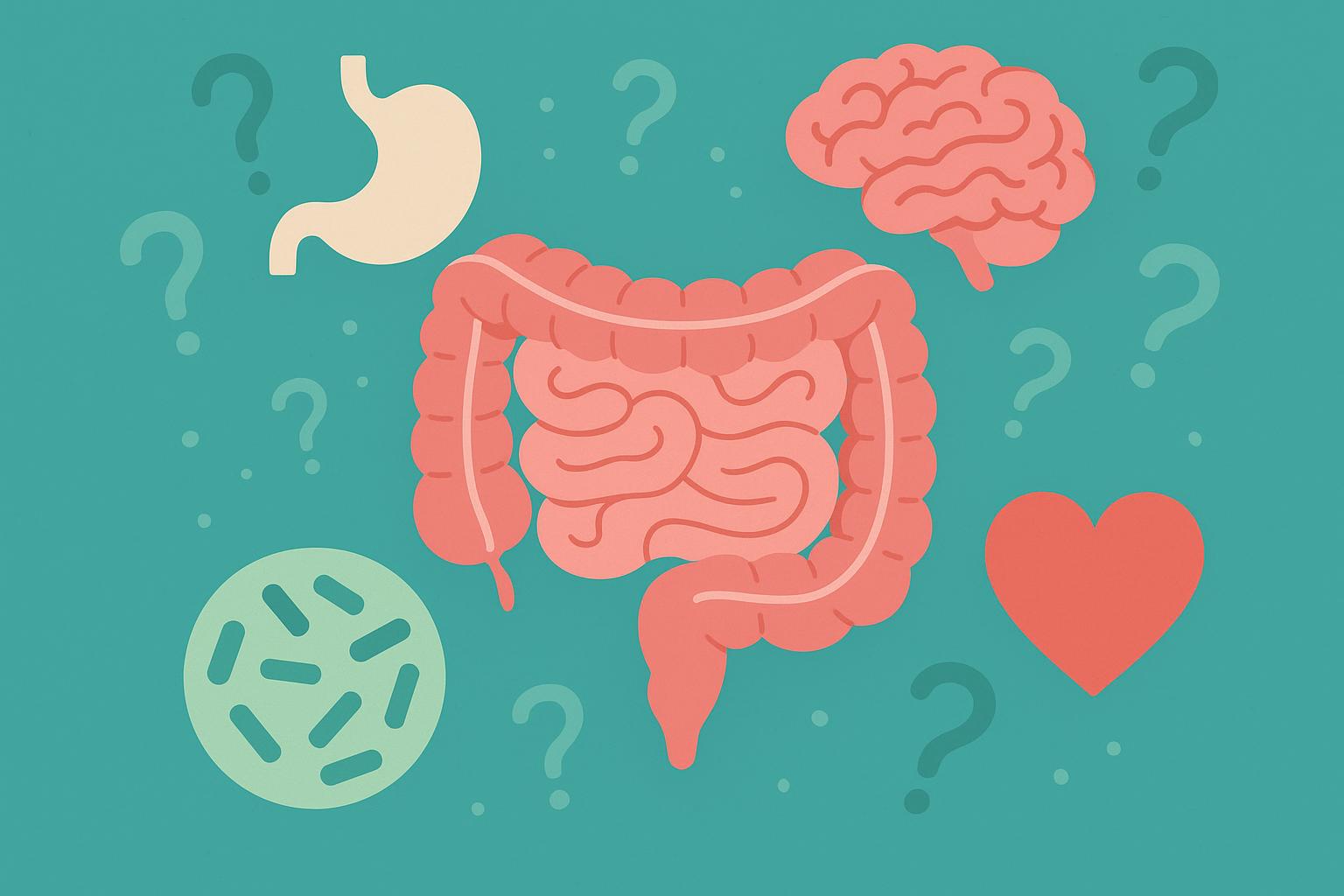
You probably blamed a heavy meal for bloating or an upset stomach. Fair enough. That is usually where most people think the role of the gut begins and ends.
But your gut does much more than process food. It plays a part in how your body absorbs nutrients, supports immunity, manages energy levels, and even communicates with the brain. That is why conversations around gut health have moved far beyond digestion in recent years.
Why is Your Gut Called the Body’s Second Brain?
Most people pay attention to their gut only when something feels off. Maybe it is bloating after a meal, frequent acidity, or a stomach that never seems completely settled.
The interesting part is that gut health is not only about digestive comfort. Research suggests that it can influence several aspects of overall wellbeing, including sleep, immunity, and energy levels. That is one reason why the topic has received so much attention in recent years.
When gut health is out of balance, you may notice:
- Frequent bloating or digestive discomfort
- Changes in appetite
- Low energy levels
- Difficulty sleeping
- Trouble concentrating
These symptoms can have many causes, but gut health is increasingly recognised as one of the factors that may contribute.
Can Your Everyday Food Choices Affect More Than Digestion?
Your digestive system relies on a variety of nutrients to function properly. Diets that include fruits, vegetables, whole grains, and other fibre-rich foods help support a healthy digestive environment.
On the other hand, relying heavily on highly processed foods, sugary snacks, and irregular eating habits can sometimes leave your digestive system working harder than it needs to.
Think about a typical busy day. Breakfast gets skipped, lunch happens at your desk, and dinner arrives through a delivery app at 10 pm. Once in a while, that is unlikely to be a problem. When it becomes routine, your gut may not be quite as happy about it.
What Everyday Habits Can Affect Gut Health?
Food gets most of the attention, but it is not the only factor.
Several daily habits can influence digestive wellbeing:
- Poor sleep patterns
- High stress levels
- Lack of physical activity
- Inadequate hydration
- Frequent consumption of heavily processed foods
Drinking enough water, staying active, getting adequate sleep, and maintaining a balanced diet can all support digestive health over time.
Where Does Health Insurance Come Into the Picture?
Many digestive issues can be managed through lifestyle changes and medical guidance. However, some conditions may require consultations, diagnostic tests, medication, or hospital-based treatment.
That is one reason health insurance forms an important part of overall healthcare planning. It generally helps manage expenses related to covered medical treatments and hospitalisation.
In some situations, serious illnesses can involve long-term treatment and high medical costs. A critical illness insurance policy may provide financial support if the insured person is diagnosed with a covered critical illness, subject to the policy terms and conditions.
What Does Better Gut Health Look Like?
There is no magic food, supplement, or overnight solution when it comes to gut health.
Instead, it often comes down to everyday habits repeated consistently. Eating balanced meals, staying active, sleeping well, and paying attention to how your body responds to different foods can all contribute to better digestive health.
Most importantly, it helps to remember that gut health is not only about avoiding discomfort. It is about supporting a system that plays a role in many aspects of your overall wellbeing.
Conclusion
Gut health is easy to overlook because it rarely demands attention when everything is working as it should. Yet it plays a role in far more than digestion alone.
You do not need a complicated routine to support it. Eating balanced meals, staying active, getting enough sleep, and paying attention to what your body is telling you are the best places to start. Like many aspects of health, the small things done consistently tend to matter the most.

Laila Azzahra is a professional writer and blogger that loves to write about technology, business, entertainment, science, and health.