The A-Z of Boom Lifts: What You Need to Know
Understanding the Different Types of Boom Lifts
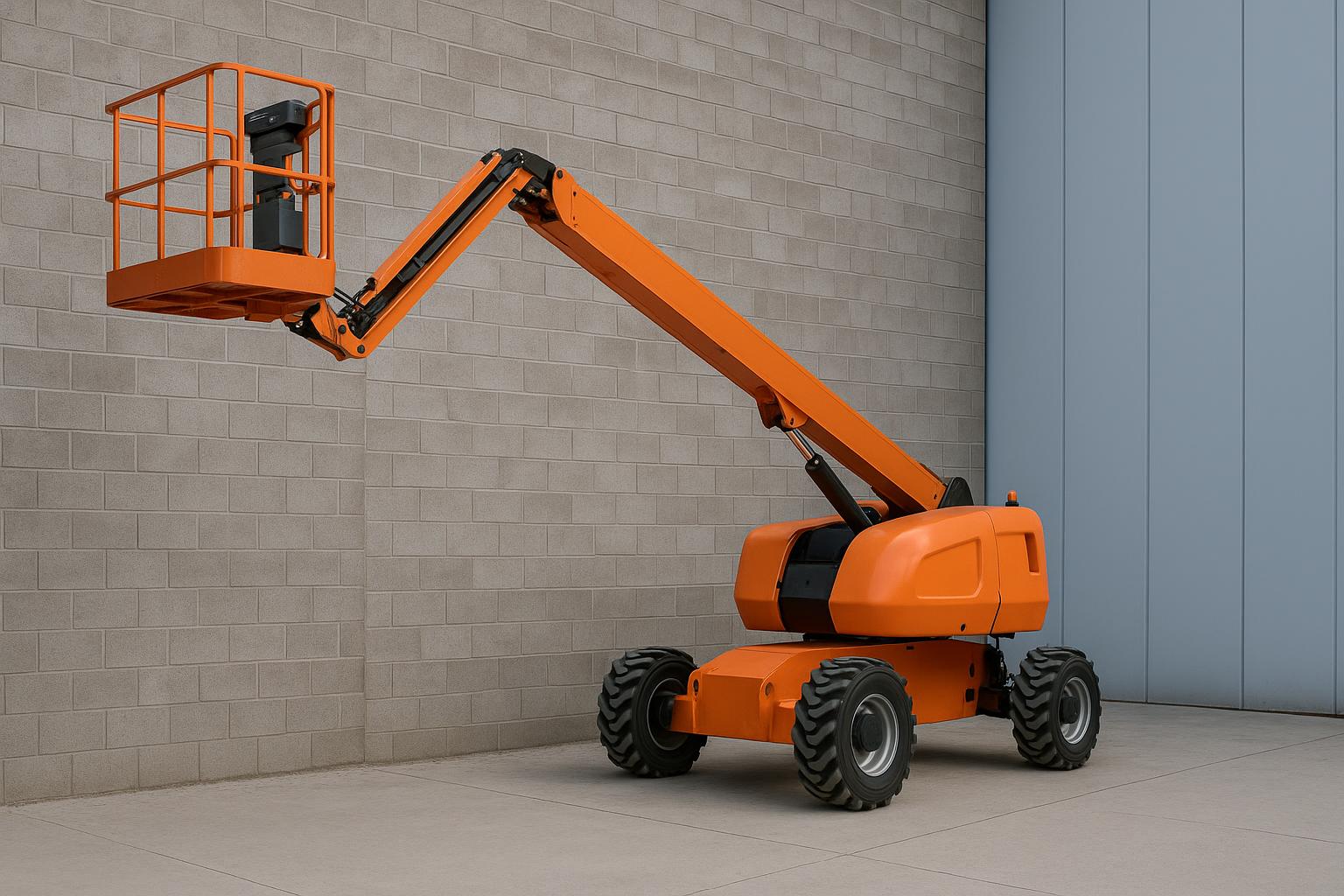
When it comes to boom lifts, understanding the various types available is crucial for selecting the best equipment for your specific project needs. Boom lifts are categorized predominantly into two main types: telescopic and articulating. Telescopic boom lifts, also referred to as straight boom lifts, extend vertically and are best suited for projects requiring access to high elevations in an unobstructed straight line. They are particularly beneficial on job sites where overhead space is minimal or when precise vertical reaches are necessary, such as building inspections, tree trimming, and even in the film industry for camera placements.
On the other hand, articulating boom lifts, commonly known as knuckle booms, are characterized by their jointed arms that allow for a greater range of motion compared to their telescopic counterparts. These lifts can maneuver around obstacles with greater ease, making them ideal for environments that necessitate navigating tight spaces or providing access to elevated areas that are otherwise difficult to reach, such as rooftops nestled near adjacent structures or industrial ports with complex layouts. Each type of boom lift boasts unique strengths and capabilities, thus understanding their applications can significantly enhance the efficiency and effectiveness of your next project.
Key Features and Specifications to Consider
Choosing the right boom lift isn’t just about understanding the type; it also involves delving into specific features and specifications. Key factors to consider include the maximum working height, weight capacity, the extent of horizontal outreach, and the lift’s overall dimensions. For instance, if your project involves heavy equipment or multiple personnel working simultaneously, a boom lift with a robust weight capacity and enhanced reach becomes essential. Higher weight capacities typically range from 500 to 1,000 pounds, allowing for the transportation of additional tools and materials.
Another important aspect to consider is the lift’s power source. Boom lifts come in both electric and diesel options. Electric boom lifts are quieter and emission-free, making them suitable for indoor use or in environmentally sensitive areas. Conversely, diesel boom lifts generally provide more power and are better suited for rugged outdoor jobs, such as construction sites or areas with uneven terrain. Additionally, inspecting features like platform size, tilt capability, and drive type (four-wheel or two-wheel drive) is pivotal in ensuring optimal performance and safety for your crew and project requirements.
Choosing the Right Boom Lift for Your Job Site
Choosing the appropriate boom lift for your job site can profoundly impact the overall efficiency and safety of your undertaking. Start by assessing the specific requirements of your project. Factors to consider include the terrain, the nature of the tasks at hand, the desired height, and any potential obstacles your team might encounter. For example, job sites comprising steep slopes will necessitate a boom lift designed for uneven ground, whereas flat, hard surfaces can support a wider array of lift styles.
It’s also crucial to consider the lift’s reach. For projects necessitating work over barriers or other obstacles, an articulating lift may be the preferred option. Compatibility with various attachments, such as buckets or platforms, can enhance the lift’s versatility, allowing it to cater to a broader range of tasks. Moreover, leveraging rental inventory to compare available models can ensure that the right machine is always at your side, equipped with the specifications that best align with your operational goals. Engaging with rental experts who can elucidate model-specific advantages and adaptability to unique job site conditions can offer deep insights that aid in decision-making.
Rental vs. Purchase: The Cost-Effectiveness Debate
Breaking Down the True Cost of Boom Lift Ownership
When weighing whether to rent or purchase a boom lift, it’s essential to sift through the intricacies of cost implications associated with ownership. The initial investment for purchasing a new boom lift can be significant, often running into tens of thousands of dollars, depending on the model and specifications. This price tag makes the consideration of ownership less enticing, especially for companies or individuals who may need the equipment for only a limited scope of time. Beyond the initial purchase, owners must consider ongoing maintenance costs, insurance premiums, storage requirements, and depreciation in asset value.
Maintenance plays a vital role in ownership costs. Boom lifts require routine servicing and inspections to ensure operational safety and functionality. Out-of-service machines not only incur repair costs but also result in lost labor productivity—a fact that could detract from your project budget as time is essentially money. In contrast, rental agreements typically encompass maintenance and support, meaning the responsibility of upkeep shifts to the rental company. Assessing these costs can provide a clearer picture of the long-term financial commitment of ownership versus the flexibility of rentals.
Rental Perks: Flexibility and Convenience Explained
One of the most significant advantages of opting for rentals is the tremendous flexibility they offer. When engaging with boom lift rental, project managers and contractors can allocate resources toward immediate operational demands without being confined by the burdens of ownership. Renting allows for access to the latest models with the most advanced technologies and capabilities without the hefty price tag. Additionally, rental firms maintain vast fleets of equipment, providing access to multiple types and sizes of boom lifts tailored to varied project requirements, which is ideal for those with fluctuating workloads or diverse project needs.
Moreover, the convenience of renting extends beyond immediate equipment availability. Rental agreements often include maintenance and support, allowing you to stay focused on the task at hand rather than worrying about the upkeep of machinery. You can experience the freedom of upgrading your equipment as needed, ensuring that your projects are always supported by the latest technology. This convenience often leads to enhanced productivity, as rental firms allow for customized agreements tailored to the specifics of your project timeframe, ultimately positioning you to adapt quickly and efficiently.
When is Renting the Smartest Move?
Renting is often the preferred choice in several scenarios. For short-term projects, such as seasonal work or a singular construction task, renting alleviates the burden of long-term asset management. This route allows businesses to reduce overhead costs while ensuring that they possess the adequate tools necessary to complete a job effectively. Additionally, when the required equipment is specialized or less frequently used, such as a boom lift with unique capabilities, renting is a wise decision to avoid the sunk costs of owning seldom-used machinery.
Furthermore, fluctuating project scopes and timelines can heavily dictate rental decisions. If you anticipate changes in project size or scope due to client demands or resource availability, renting offers the adaptability to procure equipment that meets varying needs without commitment. Additionally, for businesses aiming to conserve capital and optimize cash flow, renting can offer a more favorable approach. By reserving a budget for immediate operational expenses rather than depleting it through heavy machinery purchases, companies can continue investing in growth and productivity while maintaining fluidity.
Safety First: Navigating Boom Lift Rentals Responsibly
Essential Safety Protocols for Operating Boom Lifts
Prioritizing safety is non-negotiable when using boom lifts, especially in high-risk environments such as construction sites and industrial settings. To operate boom lifts safely and effectively, several essential protocols must be established and followed rigorously. Workers should be familiar with the equipment’s operational manuals and manufacturer guidelines, ensuring a thorough understanding of the machine before attempting to use it. Additionally, inspecting the equipment prior to operation is vital; this includes checking for possible mechanical issues, ensuring all safety devices are functional, and verifying that the lift is stable and secure on the ground.
Restricting unauthorized personnel from accessing the boom lift area is another critical safety measure. Unless they have received appropriate training and are involved in the operation, bystanders should be kept at a safe distance. Operators should always wear safety harnesses and utilize fall protection equipment while working at heights, alongside adhering to weight limits and load capacities as prescribed. Implementing ‘toolbox talks’ to discuss safety protocols and potential hazards before commencing any work can prepare teams for safe operation and foster an ongoing culture of vigilance around equipment safety.
Understanding Regulations and Compliance Standards
Operating boom lifts also demands an adherence to various regulations and compliance standards set forth by local, state, and federal agencies. In the United States, the Occupational Safety and Health Administration (OSHA) provides essential guidelines that oversee the safe operation of aerial lifts, including boom lifts. Familiarizing oneself with OSHA regulations ensures that operators are aware of necessary operational requirements, including inspection, maintenance, and overall equipment safety protocols. Employers have a legal responsibility to provide a safe work environment, which necessitates both thorough knowledge of these regulations and regular equipment inspections to ensure compliance.
Beyond OSHA, industry standards such as those established by the American National Standards Institute (ANSI) provide additional frameworks governing equipment safety and operational integrity. Adhering to these guidelines is crucial not only to maintaining a secure work environment but also to mitigating potential legal liability that may arise from safety lapses. It’s important to note that failure to comply with such regulations not only jeopardizes worker safety but may also result in fines and penalties, thereby incurring additional costs for the employer. Maintaining compliance throughout the rental duration fosters accountability, enhances safety practices, and promotes a transparent working relationship with equipment rental companies.
Training Requirements for Safe Operation
Comprehensive training is fundamental to ensuring the safe operation of boom lifts. Operators should undergo recognized training programs that cover crucial topics such as equipment functionality, emergency procedures, the handling of attached tools, and the response to various on-the-job scenarios. Depending on the level of complexity, training may also need to include hands-on experience with the machinery in a controlled environment before challenging work scenarios are attempted.
Employers must ensure that all operators hold valid certifications to operate boom lifts safely. This is not merely a legal requirement; it helps cultivate a culture of safety and responsibility amongst workers. Ongoing training and refresher courses are also highly recommended, especially in fast-evolving industries where equipment technology regularly updates. Minimizing risks through proper training enhances not only operator confidence and situational awareness but also translates into a safer working environment for all employees involved in projects.
Maximizing Productivity: Tips for Efficient Boom Lift Use
How to Plan Your Project for Optimal Boom Lift Performance
Effective planning is integral to maximizing productivity when utilizing boom lifts in any project. From assessing the required equipment to mapping out the jobsite, the more organized your approach, the smoother operations will flow. Start by developing a detailed work plan that outlines each task’s requirements, the necessary man-hours, and the specific lift features needed for optimal performance. Incorporate daily checks and defined timelines to ensure everyone is on the same page regarding operational expectations and timelines.
Additionally, strategic scheduling of boom lift use can lead to significant efficiency gains. Consider allocating periods when the lift will be least obstructed by other tasks, thereby reducing downtime and maximizing productivity. By coordinating with other trades on the site, project managers can optimize the schedule, ensuring that the lift isn’t left idle when other essential work is ongoing. Furthermore, anticipating bottlenecks—such as workers needing access to high areas at different points throughout a project—can allow for more targeted use of the boom lift, thus streamlining overall operations and achieving project milestones faster and with less resource expenditure.
Maintenance Musts: Ensuring Peak Performance on the Job
Understanding and implementing maintenance musts is vital for ensuring that a boom lift operates at its peak performance. Regular preventative maintenance checks not only increase the safety of operations but also extend the lifespan of the equipment, thus protecting your rental investment. Immediately before operation, conduct a pre-use inspection, focusing on critical components such as hydraulic systems, safety harnesses, tires, and emergency controls to ensure they are in working order. Encourage operators to maintain a daily log of these inspections so issues are recorded over time, allowing for proactive management of wear and tear.
Adhering strictly to the manufacturer’s maintenance schedule and recommendations for each lift can help avoid unnecessary downtime caused by mechanical failure. This can include scheduled servicing while also promptly addressing any reported issues or malfunctions. Regular maintenance of operational components, ensuring proper lubrication and adjusting various mechanical systems as necessary, contributes positively to the productivity of your crew and minimizes costly interruptions on job sites. Ultimately, engaging with rental companies regarding maintenance support and their recommended protocols can further enhance operational efficiency.
Common Mistakes to Avoid During Your Rental Period
While utilizing boom lifts can significantly enhance project productivity, avoiding common pitfalls is essential to ensure a seamless experience. One of the most frequent mistakes is underestimating the lift’s capabilities and choosing a model that does not meet the project’s demands—be that in height, weight capacity, or required reach. Selecting an inappropriate boom lift can lead to inefficiencies, project delays, and potential safety hazards, thereby amplifying costs.
Another mistake is neglecting to properly instruct and train personnel on safe operation practices beforehand. Armed with knowledge about the lift’s functionality, operational limits, and safety measures, operators can navigate potential hazards more effectively, avoiding misuse and accidents. Additionally, failing to communicate among team members regarding who is operating the boom lift at any given time can lead to mismanagement of operations and bottlenecks. Implementing regular team huddles to discuss roles, responsibilities, and project progress can ensure clarity and enhance overall team efficiency throughout the rental period.
Beyond these operational considerations, it’s essential to remain cognizant of rental terms and conditions, including the responsibility for potential damages that may occur. Failing to read and understand the rental agreements can lead to unexpected liabilities, resulting in additional costs that could impact project budgets. Thus, cultivating a transparent relationship with the rental company regarding expectations and ensuring that all teams are equipped with the requisite knowledge and processes can dramatically enhance performance while mitigating risk.

Laila Azzahra is a professional writer and blogger that loves to write about technology, business, entertainment, science, and health.