Key Takeaways
Friction Stir Welding (FSW) represents a groundbreaking technique that joins materials using the heat generated by friction, rather than melting them. This results in a solid-state joint, which helps reduce defects that are often seen in conventional fusion welding.
This welding method allows dissimilar metals to be joined while significantly enhancing structural integrity. It’s particularly valuable in sectors such as aerospace, automotive, and marine, where minimizing weight and maximizing strength are paramount.
Among its many advantages, FSW boasts increased strength, enhanced precision, remarkable speed, and cost efficiency. These factors greatly lower the chance of defects and the associated need for rework when compared to traditional welding approaches.
The environmental upsides are notable too; FSW tends to consume less energy and produces minimal material waste, establishing it as a more sustainable option compared to traditional welding processes—something that resonates with today’s eco-conscious consumers.
Achieving successful FSW hinges on the meticulous monitoring of vital parameters, including rotational speed, axial load, and travel speed. These factors have a direct impact on weld quality and overall integrity.
Nevertheless, FSW does have its limitations, particularly concerning the types of materials that can be joined effectively. Metals such as copper or titanium present challenges, which may call for fresh, innovative strategies to navigate.
Looking ahead, advancements in FSW technology are poised to embrace greater automation and the incorporation of artificial intelligence, potentially elevating efficiency and altering industry benchmarks.
Opening up the Magic of Friction Stir Welding
What Is Friction Stir Welding and How Does It Work?
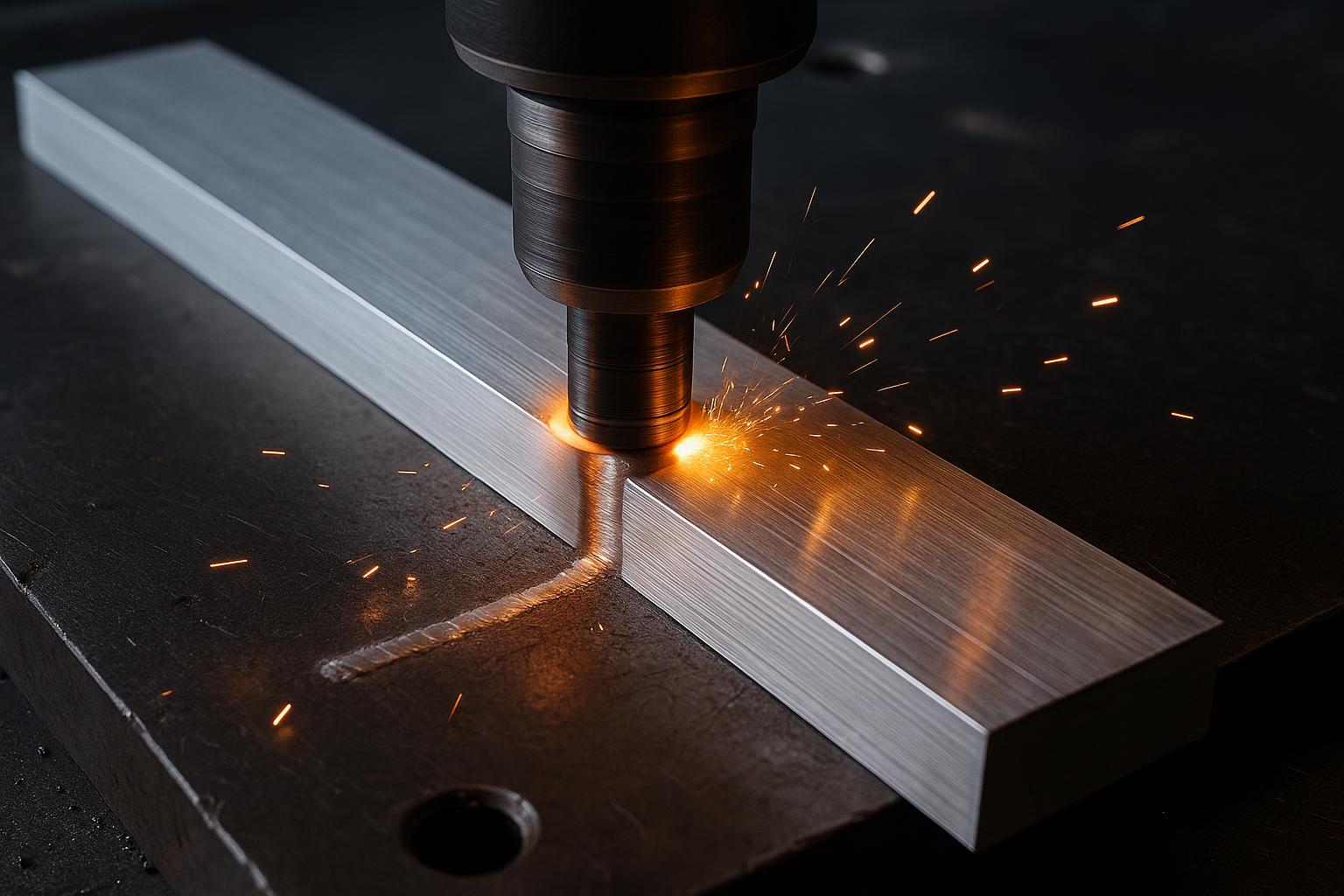
Friction Stir Welding (FSW) is a game-changing welding method that made its debut in the early 1990s. Unlike traditional welding, it does not depend on melting materials. Instead, it incorporates a rotating tool with a precisely designed pin and shoulder to create frictional heat. So how does it operate? The tool is inserted into the base materials, generating heat that softens them and allows them to blend together—hence the term “stir welding.”
At its essence, FSW fosters a solid-state join. This implies that there’s no melting involved, which helps in diminishing metallurgical defects often found in fusion welding. The materials are bonded at temperatures just below their melting points, ensuring that mechanical properties are preserved. This innovative technique paves the way for advancements in metal fabrication that traditional welding struggles to achieve.
Why does this hold significance for today’s industries? The ability to seamlessly join different metals or alloys greatly expands manufacturing possibilities, pushing the boundaries of design and application.
The Science Behind the Process: Key Principles Explored
Diving into the science behind FSW feels almost like unlocking a closely guarded secret among professionals. This method is based on three pivotal principles: heat generation, plastic deformation, and material flow. The friction from the rotating tool creates heat that softens materials—all while maintaining their solid state. It’s reminiscent of kneading dough; the appropriate pressure and time allow it to be shaped without losing its structure.
Temperature regulation plays a critical role. Experts are aware that if temperatures rise too high, oxidation can occur; conversely, too low may lead to weak joint formations. Merging this knowledge with various tool designs influences weld quality. Each scenario demands attention and the flexibility to adapt. It’s not merely a matter of following established protocols; understanding the impact of each variable on the finished weld is essential.
In practice, hitting the right balance of parameters results in superior welds, supported by data from real-world applications.
Common Applications That Showcase FSW’s Versatility
The adaptability of FSW displays itself in numerous sectors. Professionals frequently reference its applications within aerospace, automotive, and marine industries. Through the secure joining of aluminum alloys and other materials, it bolsters structural integrity without adding excessive weight.
- Aerospace Components: Lightweight alloys endure intense stress, and FSW ensures reliability in extreme conditions.
- Automotive Industry: With an increasing emphasis on fuel efficiency, FSW is instrumental in creating lightweight structures.
- Marine Applications: Its corrosion resistance, combined with robust welds, makes it ideal for the shipbuilding sector.
Such applications not only highlight the versatility of friction stir welding, but also showcase its capacity to meet the dynamic demands of contemporary manufacturing. In high-performance settings, lighter weight translates to greater efficiency.
Why Professionals Prefer Friction Stir Welding Over Traditional Methods
Unmatched Benefits: Strength, Precision, and Speed
What drives industry professionals to select FSW over traditional welding methods? Consider the compelling benefits: FSW delivers exceptional strength, accuracy, and speed, all critical factors. The metallurgical bonds formed tend to result in higher tensile and fatigue resistance compared to conventional welds. It’s more than a concept; it’s a measurable difference.
Precision is vital. The capability to manage heat input offers narrowed tolerances, essential in high-stakes scenarios. In an arena where mistakes can be expensive, that level of control often leads to operational success.
“Friction Stir Welding is a precision process that redefines strict tolerances, pushing boundaries others simply can’t,” states an industry expert.
Moreover, FSW operates at impressive speeds. By bypassing the cooling cycles related to melting techniques, it enables manufacturers to optimize their workflows. In production, time equates to money; FSW effectively addresses both concerns.
Cost Efficiency in Metal Fabrication with FSW
Amid global economic pressures, cost efficiency has become more crucial than ever. Traditional welding processes often present challenges that necessitate expensive rework. However, professionals find that FSW’s reduced defect rates lead to lower overall costs. And who wouldn’t appreciate an enhancement to profit margins?
In addition, there’s a noticeable decrease in the need for consumables. By eliminating filler metals and minimizing post-weld treatments, expenses can significantly decline. This is simple arithmetic; less waste correlates with more savings. By understanding these cost advantages, businesses can strategically shift their operations.
Environmental Advantages: A Greener Approach to Welding
The environmental impact of manufacturing is a pressing topic today. Friction stir welding offers concrete benefits, presenting a greener alternative to welding. Compared to melting processes, FSW exhibits reduced energy requirements and, consequently, lower carbon emissions. This is a favorable outcome for both the planet and manufacturers.
Additionally, the process generates less material waste. The lack of filler materials and reduced heat input play a significant role in resource conservation. As companies increasingly adopt sustainability, a commitment to eco-friendly practices can enhance a brand’s standing among environmentally-aware consumers.
Taking proactive steps toward sustainability not only refines operational methods but also aligns with client values that are crucial in the current marketplace.
Maximizing Performance: Tips for Successful Friction Stir Welding
Choosing the Right Equipment for Optimal Results
Selecting appropriate equipment is vital for FSW success. Just throwing any tool into the mix will not yield desired outcomes. Tool design, size, and material all significantly influence the characteristics of the weld. Experts suggest that investing in high-quality, purpose-built gear is essential.
- Tool Geometry: Pay attention to the design of the tool pin and shoulder dimensions tailored for specific materials and thicknesses.
- Material Selection: The choice of tool material, whether carbide or tool steel, can considerably impact durability and performance.
- Equipment Settings: Fine-tuning parameters like rotational speed and axial force can greatly influence results.
Making wise choices in these areas lays a strong groundwork for effective performance.
Key Parameters to Monitor During the Welding Process
Keeping vigilant over essential parameters during FSW is crucial for maintaining consistent quality. The success of welds often hinges on how speed, pressure, and temperature interact. Monitoring these variables enables timely adjustments that lead to optimal outcomes.
- Rotational Speed: Generally impacts heat generation and material flow.
- Axial Load: Excessive pressure can jeopardize weld integrity. A careful balance is essential.
- Travel Speed: Influences material consolidation; faster isn’t always better.
Regular feedback during the process can facilitate real-time adjustments that improve welds.
Best Practices for Material Preparation and Maintenance
Thorough material preparation lays the groundwork for effective welding. Contaminants must be eliminated. Experts assert that ensuring surfaces are free from grease, oil, or oxidation is crucial, as these factors can lead to compromised welds. Surface conditions are significantly influential in forming strong bonds.
- Surface Treatment: Consider pre-welding processes like grinding or degreasing.
- Material Thickness: Opt for thicknesses that are compatible with FSW setups to enhance efficiency.
- Storage Conditions: Keep materials in environments that prevent degradation and damage.
Maintaining machinery is equally vital. Frequent inspections and upkeep of tools can prevent mechanical failures that disrupt production. Consistent care fosters quality.
Working through Challenges in Friction Stir Welding
Addressing Material Limitations: What’s Possible with FSW?
No welding technique is without its limitations, and FSW is no exception. Knowing which materials can be efficiently joined is critical. While aluminum and certain magnesium alloys are typically the focus, metals like copper and titanium pose unique challenges for bonding.
Professionals often seek innovative methods to navigate these constraints. Adjusting tool design or fine-tuning welding parameters can broaden the range of possibilities. This adaptability underscores the resilience of FSW as technology progresses.
How to Handle Common Challenges Encountered in the Field
Challenges faced in FSW often relate to equipment performance or material compatibility. While various issues might arise, a significant factor is ensuring that tools and equipment align with the specifications required for the materials being worked on. Implementing regular maintenance checks can help alleviate unexpected breakdowns.
- Establish Thorough Protocols: Defining procedures for equipment and material inspections is crucial.
- Train Personnel: Providing staff with training ensures they grasp the intricacies of the process.
- Gather Data: Documenting parameters and outcomes aids in identifying trends and averting recurring issues.
By approaching challenges strategically, teams can help ensure FSW’s continued relevance across various applications.
Future Trends: What’s Next for FSW Technology?
As technology advances, so too does the realm of friction stir welding. Emerging trends indicate a shift towards increased automation and sophisticated monitoring systems that promise to refine processes even further. The adoption of artificial intelligence within FSW is becoming more prevalent, potentially offering predictive analytics to enhance results.
One must contemplate the implications of these innovations on operational methods. Heightened efficiency and accuracy could reconsider the benchmarks of the industry, leading to innovations previously thought unattainable.
“The future of welding is undoubtedly intertwined with automation and intelligent systems,” posits an industry analyst.
Industries adaptable to these shifts may well find themselves at the cutting edge of this evolving domain, unlocking new opportunities.
FAQ
What materials cannot be joined using Friction Stir Welding?
Friction Stir Welding (FSW) faces challenges with specific metals, primarily copper and titanium, due to their distinct properties. Achieving effective bonds with these materials often necessitates specialized techniques or tailored approaches.
How does FSW compare to laser welding?
FSW presents unique advantages over laser welding, particularly concerning metallurgical integrity. While laser welding can achieve high-speed joins, FSW creates less heat, which helps to diminish the risk of defects such as warping or cracking.
What role does automation play in the future of FSW?
Automation is poised to transform FSW operations with advanced monitoring and control systems that boost efficiency. This transition is likely to yield improved precision and consistency, allowing manufacturers to extend their boundaries.
Are there specific training programs for FSW operators?
Yes, there are specialized training programs designed for FSW operators, which focus on the intricacies of the process, equipment handling, and parameter oversight. Such training equips personnel with essential skills for maximizing weld quality and consistency.
Can FSW be applied in the construction industry?
Absolutely. The construction sector stands to gain from FSW, especially when it comes to joining lightweight yet durable materials such as aluminum. This technique can contribute to the creation of strong structural components vital for contemporary architectural designs.
What are the safety considerations during the FSW process?
Safety is paramount in FSW. Professionals must practice proper tool handling, utilize protective gear, and ensure regular equipment maintenance to minimize risks. Adhering to safety protocols not only protects workers but also maintains operational efficiency.
How does FSW impact post-weld treatments?
FSW greatly diminishes the necessity for post-weld treatments, such as stress relieving. Thanks to the solid-state nature of the weld, many thermal issues tied to conventional welding are avoided, simplifying the overall fabrication process.
What industries are expected to adopt FSW in the near future?
In addition to aerospace and automotive, sectors like renewable energy and electronics are anticipated to embrace FSW. The method’s efficacy in joining dissimilar materials aligns seamlessly with the innovative demands of these evolving industries.

Laila Azzahra is a professional writer and blogger that loves to write about technology, business, entertainment, science, and health.