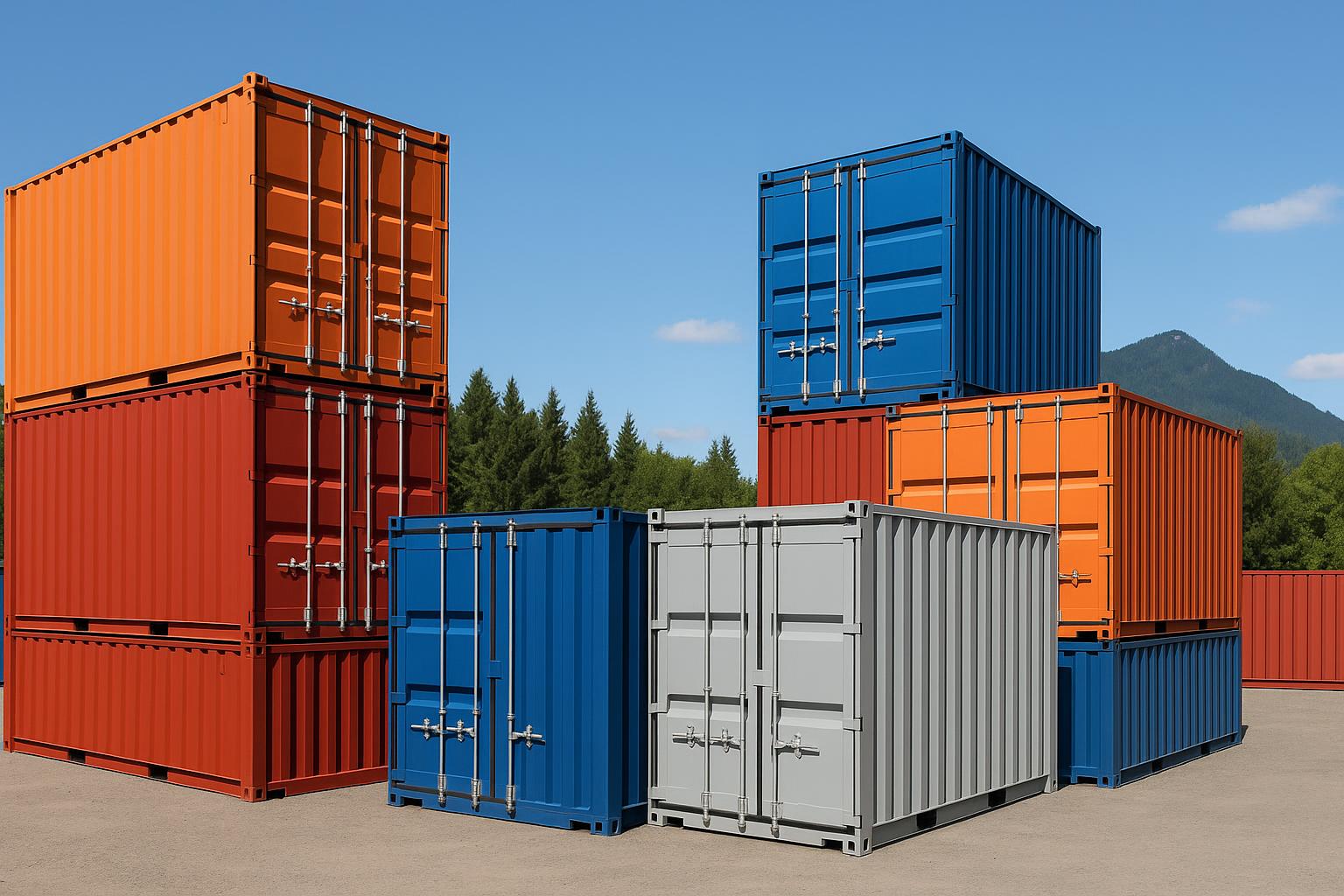
Key Takeaways
New shipping containers bring modern features, exceptional durability, and opportunities for customization, making them an excellent choice for secure storage and creative transformations.
Opting for used shipping containers can lead to considerable cost savings. They promote sustainability by prolonging material life cycles and minimizing waste, all while continuing to serve their functional purposes.
Before purchasing used containers, it’s vital to conduct a thorough inspection for rust and structural problems. Clients should also consider the container’s initial cargo purpose to ensure better quality assurance.
Choosing the right container size is important. Common dimensions include 10-foot, 20-foot, and 40-foot options, meeting diverse storage needs across residential and commercial settings.
Price considerations for new and used containers often include the unit’s condition, local demand, and seasonal trends. Buyers need to grasp these factors to secure the best deals.
Additional costs such as delivery, installation, and potential permit fees should be incorporated into the purchasing budget. This approach helps avoid unexpected expenses during the acquisition of shipping containers.
Shipping containers showcase remarkable versatility, functioning as secure storage units while also being creatively converted into mobile offices or pop-up shops, thereby boosting operational efficiency and customer interactions.
Finding the Right Shipping Container: New vs. Used
What New Containers Offer for Your Needs
As businesses explore new and used shipping containers for sale in Oregon, the attraction of brand-new units is hard to resist. New containers present a variety of benefits, positioning them as a favorite for multiple applications. Firstly, these containers are equipped with the latest features, ensuring high durability and superior condition, which is particularly appealing to those requiring secure storage for valuable items.
Containers fresh from the factory are less likely to show any signs of rust or structural concerns. For clients considering innovative transformations, such as mobile offices or boutiques, starting with a pristine unit minimizes necessary modifications. Moreover, customization options allow clients to request specific colors, sizes, or additional fittings tailored to their needs.
Advantages of Buying Used Shipping Containers
Conversely, choosing used shipping containers can offer significant advantages. The cost savings from pre-owned containers are difficult to overlook, as businesses can often purchase reliable units for a fraction of the cost of new ones. For those comparing new and used shipping containers for sale in Oregon, this flexibility can make it easier to allocate funds toward other essential project needs, such as transportation, delivery, or modifications.
Environmental considerations also play an important role. Choosing a used container supports sustainability by extending the useful life of existing materials and reducing waste. This benefit is particularly relevant in Oregon, where environmentally responsible choices appeal to many consumers and businesses. With proper inspection and maintenance, used containers can provide dependable performance while offering a more budget-friendly and sustainable alternative to new units.
Recognizing the Quality in Pre-Owned Options
When it comes to selecting high-quality pre-owned shipping containers, professionals advise a discerning approach. Ensure that containers are inspected for signs of wear, rust, and structural integrity. Seeking containers from reputable brands known for their durability is wise, as these models usually stand the test of time much better than others. Requesting maintenance records from suppliers can also provide valuable insight into a container’s history.
Clients tend to feel more satisfied knowing their chosen container meets specific quality criteria. Considering the original purpose of the container is prudent—those previously utilized for cargo shipping are generally in better shape since they were designed to withstand the rigors of transport.
How to Choose the Right Size for Your Shipping Container
Understanding Size Specifications and Their Uses
In the realm of shipping containers, size is definitely a key factor. Familiarizing oneself with specific dimensions and their practical applications can significantly enhance decision-making. Standard sizes include 20-foot and 40-foot containers; however, businesses may also find smaller or larger options, such as 10-foot and 45-foot containers, useful for specialized needs.
Each size provides unique advantages tailored for various uses. Smaller containers are often ideal for residential storage, while larger ones suit significant inventories or equipment storage. It’s essential to evaluate the intended use to pinpoint the most effective size.
What about avoiding the pitfalls of choosing an unsuitable size? Clients should consider what types and how many items will require storage. This comprehensive evaluation enables better planning, ensuring the chosen container meets long-term requirements.
Common Dimensions and Choosing the Best Fit
Businesses often grapple with selecting the right container size. The most typical dimensions include:
- 10-foot container: Perfect for personal storage or small business needs.
- 20-foot container: Sufficient for household items or smaller commercial storage.
- 40-foot container: Best for larger enterprises with extensive inventory.
Once the appropriate size is determined, professionals suggest confirming that the container will fit in the intended location. For a construction site, assessing spatial constraints and ensuring truck accessibility are important. A bit of early planning can prevent a multitude of headaches later on.
Maximizing Space: Custom Configurations Available
Extracting the maximum utility from a shipping container stretches beyond mere size; the configuration of that space can truly redefine its effectiveness. Custom configurations can turn a standard shipping container into anything from a trendy office to a quaint café. Many Oregon experts are now offering tailored modifications to meet specific project goals.
Incorporating windows, electrical fittings, or HVAC systems creates spaces that are not only functional but also inviting. Clients can genuinely transform their concept of space utilization by thoroughly exploring these options.
Prioritizing needs during customization discussions is essential. Whether focusing on aesthetic preferences or practical necessities, having a clear idea can simplify the execution process and enhance potential outcomes.
Cost Factors in Shipping Container Purchases
What Drives Pricing in New and Used Containers
A myriad of factors influences the pricing of both new and used shipping containers. The condition of the container holds considerable weight; pristine new units naturally command higher prices than second-hand options. Additionally, local market demand and the container’s location can swing pricing in either direction. For example, the coastal demand in Oregon may inflate costs due to shipping accessibility.
Seasonal trends also have a notable impact on container pricing. Demand fluctuations often arise, particularly during busy moving seasons. Clients who understand these trends can seize opportunities, ensuring their investments yield maximum value.
Budgeting for Additional Expenses Like Delivery
When evaluating the purchase price, pondering additional costs such as delivery fees is essential. Depending on the distance from the supplier to the delivery address, transport costs can vary significantly. Clients often discover that these logistic expenses accumulate rapidly.
Potential additional costs to consider include:
- Delivery Fees: Usually based on distance.
- Installation Costs: Necessary if modifications or setup are involved.
- Permit Fees: Some areas may necessitate permission for container placement.
This kind of comprehensive budgeting enhances the overall purchasing strategy. By planning for expected expenses, clients can avoid unwelcome surprises and confidently secure their container.
Comparing Competitive Rates Across Oregon
The pursuit of value doesn’t end with understanding costs. Making informed comparisons among different suppliers in Oregon is equally crucial. Businesses often find diverse pricing schemes in online marketplaces, local suppliers, or industry contacts. To determine fair rates:
- Research Multiple Suppliers: Collect quotes from various companies.
- Assess Similarities in Deliverables: Ensure comparable offerings are being weighed.
- Review Customer Testimonials: Insights from past clients can unearth hidden treasures.
Employing this comparative approach can lead to substantial savings and significantly enhance the consumer experience.
Practical Applications of Shipping Containers in Oregon
Utilizing Containers for Storage Solutions
Shipping containers have established themselves as versatile storage solutions across both residential and commercial sectors. Homeowners frequently turn to containers for temporary storage during renovations or moves, securely housing furniture, appliances, and personal belongings. Of course, businesses are tapping into this trend too.
In construction, for example, containers function as on-site storage for tools and materials, shielding investments from theft and damage. Their durability provides long-term storage solutions, enabling them to withstand harsh elements without significant wear.
Innovative Uses: From Mobile Offices to Pop-Up Shops
Yet, the innovation doesn’t stop with mere storage. A look around will reveal containers reimagined into unique spaces. Mobile offices, for instance, are rising in popularity across job sites. Portable, secure, and efficient, these setups ensure workflow continuity without the hassle of renting buildings.
Furthermore, pop-up retail shops have become a notable trend. These containers evolve into charming storefronts that seize foot traffic during festivals and markets. Striking designs draw in customers, transforming a simple container into a thriving business.
Case Studies of Successful Container Conversions
Several examples encapsulate the creativity and practicality associated with container conversions. One particularly noteworthy instance in Oregon showcases a vintage container transformed into an artisanal coffee shop, thriving in a bustling community area. Customers flock to enjoy their caffeine fix from a beautifully repurposed structure.
Another example features a construction company utilizing containers as on-site offices, which has led to improved workflow and productivity. This conversion minimized delays typically associated with traditional office setups.
Such projects illustrate how shipping containers can transcend conventional roles, stimulating business growth and innovation. By harnessing this potential, clients discover remarkable ways to engage with their spaces, drawing in customers and optimizing operations.
FAQ
How can shipping containers be customized for specific business needs?
Customization options for shipping containers are extensive. Businesses can incorporate features like windows, electrical fittings, HVAC systems, or even partitions to create tailored spaces that fulfill particular operational requirements. A clear vision of the intended use will aid in organizing discussions with suppliers.
What’s the lifespan of a typical shipping container?
On average, a shipping container’s lifespan ranges from 10 to 25 years, depending on its use and maintenance. Containers that are well-maintained can even exceed this range, particularly when used for storage rather than transport. Regular inspections and upkeep can significantly enhance their longevity.
Can shipping containers withstand extreme weather conditions?
Indeed, shipping containers are engineered to endure various weather conditions. Most are constructed from resilient steel, which offers protection against rain, wind, and snow. However, ensuring proper insulation and ventilation is crucial in extreme climates to maintain suitable internal conditions.
What are the permitting requirements for using shipping containers in Oregon?
Permitting requirements may differ greatly depending on local regulations. Some jurisdictions might mandate permits for positioning or modifying containers, especially if they serve as structures. Consulting local building authorities prior to installation is a wise measure to avoid complications.
How do shipping containers compare to traditional storage solutions?
When placing shipping containers against traditional storage options, key advantages include flexibility and portability. Containers provide secure on-site storage whilst remaining easily transportable. This feature is particularly beneficial for businesses requiring temporary storage solutions or frequently relocating.
What should be considered when placing a shipping container?
Placement considerations encompass ground stability, delivery truck accessibility, and zoning regulations. Ensuring adequate space around the container for ventilation and future accessibility is also vital. A little foresight can spare substantial challenges later.
Are there eco-friendly options for purchasing shipping containers?
Absolutely, choosing used shipping containers inherently supports sustainability by extending the lifecycle of existing materials. Some suppliers may also offer containers constructed from recycled materials or certified as environmentally friendly. Researching eco-conscious suppliers can yield exceptional choices.
Can a shipping container serve multiple functions over time?
Useful Resources
- Federal Highway Administration
- NBC News
- National Geographic
- World Bank
- CNBC
- United States Geological Survey
- U.S. Energy Information Administration
- Environmental Science

Laila Azzahra is a professional writer and blogger that loves to write about technology, business, entertainment, science, and health.