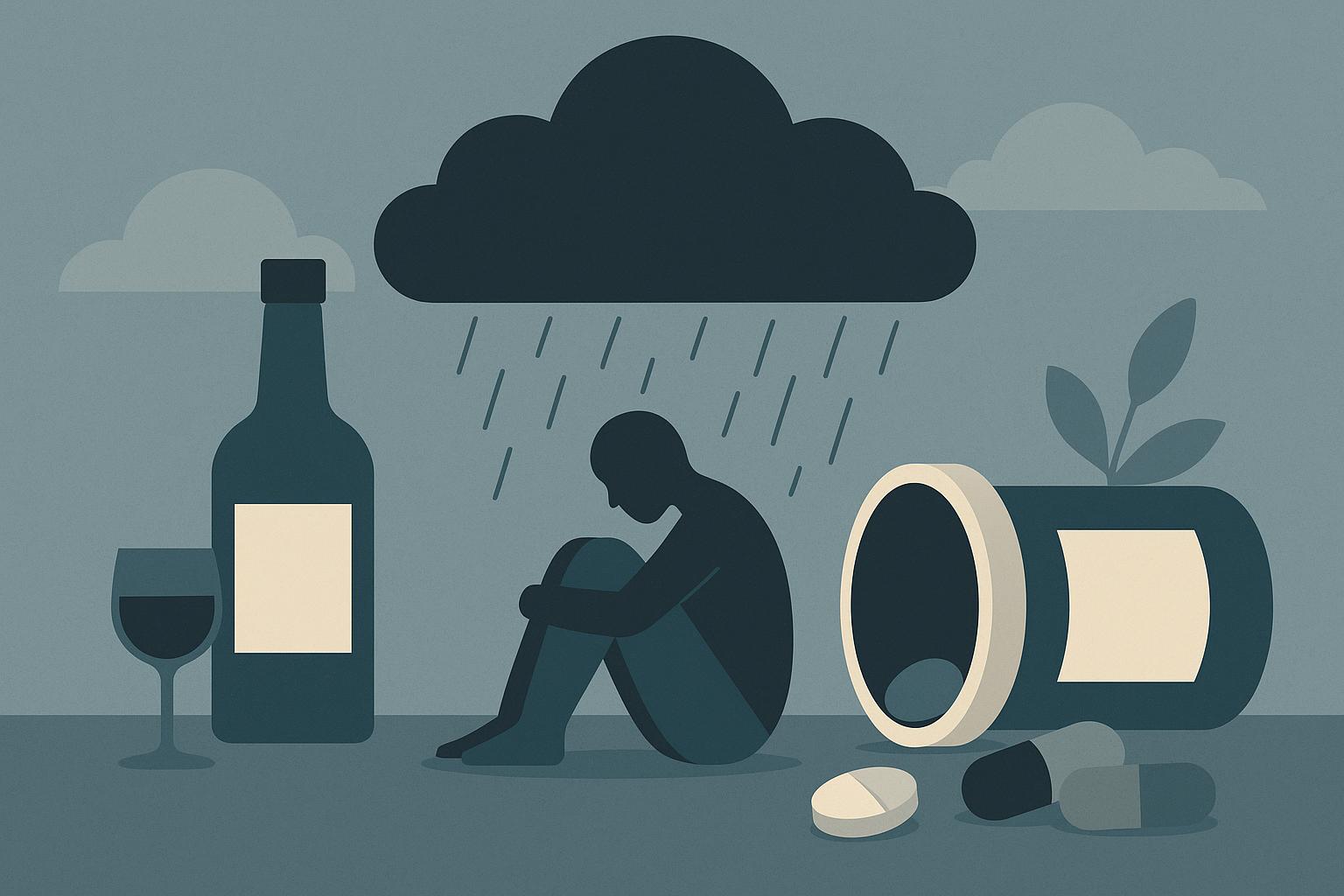
Loneliness is more than simply being alone. It is a deep emotional state characterized by feelings of isolation, disconnection, and lack of meaningful relationships. In recent years, loneliness has emerged as a significant public health concern, strongly linked to mental health disorders and substance abuse. When left unaddressed, chronic loneliness can contribute to depression, anxiety, alcohol dependency, and drug addiction.
Understanding how loneliness influences mental health and addictive behaviors is essential for early intervention and effective recovery.
Loneliness and Its Impact on Mental Health
Human beings are inherently social. Emotional connection and social belonging are fundamental psychological needs. When these needs are unmet, individuals may experience persistent sadness, low self-worth, and emotional distress.
Chronic loneliness has been associated with:
- Increased risk of depression
- Heightened anxiety levels
- Sleep disturbances
- Reduced self-esteem
- Emotional numbness
Without professional support from qualified Mental Health Specialists in Mumbai, prolonged loneliness can gradually develop into serious psychiatric conditions. Early psychological intervention helps individuals build coping strategies and strengthen emotional resilience.
How Loneliness Contributes to Substance Use
Loneliness often creates an internal void that individuals attempt to fill. For some, alcohol or drugs become temporary solutions to ease emotional pain. Substances may initially reduce feelings of isolation by creating short-lived euphoria or relaxation. However, this relief is temporary and often leads to dependency.
Over time, a dangerous cycle develops:
- Loneliness triggers emotional distress.
- Alcohol or drugs are used for comfort.
- Dependency forms.
- Addiction worsens isolation due to social withdrawal and relationship breakdown.
- Increased loneliness fuels further substance use.
Breaking this cycle requires structured Alcohol Addiction Treatment in India or Drug Addiction Treatment in India, combined with therapy that addresses the emotional roots of addiction.
The Psychological Roots: Trauma and Emotional Pain
In many cases, loneliness is connected to unresolved trauma, childhood neglect, relationship breakdowns, or significant life transitions. Trauma can distort an individual’s ability to trust and form secure attachments, increasing feelings of isolation.
Professional Trauma Therapy in Mumbai focuses on identifying past experiences that may be contributing to emotional withdrawal and substance misuse. Evidence-based approaches such as Cognitive Behavioral Therapy (CBT), Dialectical Behavior Therapy (DBT), and trauma-focused therapies help individuals process pain in a healthy manner.
Institutions like Jagruti Rehabilitation Centre integrate trauma-informed care into addiction recovery programs, ensuring that both emotional wounds and addictive behaviors are treated simultaneously.
The Social Consequences of Addiction
While loneliness can lead to addiction, addiction itself often deepens isolation. Individuals struggling with alcohol or drug dependency may distance themselves from family and friends due to guilt, shame, or behavioral changes. This isolation further damages mental health.
Structured Drug Addiction Treatment in India provides a supportive environment where individuals can rebuild social skills, develop healthy relationships, and regain confidence. Similarly, comprehensive Alcohol Addiction Treatment in India addresses both the physical dependency and the psychological factors driving substance use.
Rehabilitation programs typically include:
- Medically supervised detoxification
- Individual psychotherapy
- Group therapy sessions
- Family counseling
- Relapse prevention strategies
- Aftercare and long-term support
Such integrated care helps patients reconnect with others in meaningful and constructive ways.
The Importance of Professional Intervention
Ignoring loneliness and its psychological effects can allow symptoms to intensify over time. Seeking support from experienced Mental Health Specialists in Mumbai can prevent the progression of emotional distress into addiction.
Therapeutic interventions aim to:
- Improve emotional awareness
- Develop healthy coping mechanisms
- Strengthen communication skills
- Foster social reconnection
- Address underlying trauma
At centers such as Jagruti Rehabilitation Centre, multidisciplinary teams work collaboratively to provide holistic treatment plans tailored to individual needs.
Building Connection as Part of Recovery
Recovery from addiction and mental health challenges involves more than abstinence from substances. It requires rebuilding a sense of belonging and connection. Support groups, peer therapy sessions, and community-based activities play a vital role in reducing loneliness during recovery.
Long-term healing depends on consistent therapy, structured aftercare, and ongoing emotional support.
Conclusion
Loneliness is a powerful emotional state that can significantly impact mental health and increase vulnerability to alcohol and drug addiction. What may begin as occasional isolation can develop into chronic emotional distress, leading individuals to seek comfort in harmful substances.
Professional support through Trauma Therapy in Mumbai, guidance from experienced Mental Health Specialists in Mumbai, and structured Alcohol Addiction Treatment in India or Drug Addiction Treatment in India are essential steps toward recovery.
Institutions such as Jagruti Rehabilitation Centre offer comprehensive, trauma-informed care that addresses both the emotional roots of loneliness and the behavioral patterns of addiction.
With timely intervention, compassionate counseling, and sustained support, individuals can overcome loneliness, restore emotional balance, and achieve lasting recovery.

Laila Azzahra is a professional writer and blogger that loves to write about technology, business, entertainment, science, and health.